
Registration open for the next cohort · Live, interactive training over 4 weeks
Live training program | 16 hours | 4 weeks
Child Protection in School Settings Program
Child Safeguarding in Educational Settings
An applied program that combines knowledge, risk analysis, case studies, and decision-making to support safe, responsible practice in schools and educational settings

What do you get when you register?
- 16 hours of live, interactive training
- 4 training weeks
- Case studies and real-life scenarios
- An applied child protection action plan
- Practice in responding, documenting, and reporting
- Certificate of training completion
Why this training?
From knowledge to professional decisions in child protection situations
Child protection isn’t just about knowing the types of abuse or memorizing policies. The real challenge is knowing what to notice, when to be concerned, how to respond, what to document, and who to raise concerns with.
That’s why the program is built around situations and scenarios drawn from real schools and educational settings, so you can practice analyzing a situation, determining the level of risk, and making a professional response that considers the child’s safety, the limits of your role, and the institution’s policies.
Because knowing the policy alone isn’t enough
The program is designed for people working in schools and educational settings, and anyone with direct or indirect responsibility for children’s safety.
What matters is knowing how to act when you’re facing a real situation
What will you learn?
5 core competencies you’ll develop during the program
01 | Understanding the principles of child protection and children’s rights
Distinguish between Child Safeguarding and Child Protection, and understand children’s rights and the responsibility of staff and institutions to provide a safe environment.
02 | Recognizing indicators of harm and risk factors
Learn about the forms of abuse, neglect, and exploitation, and notice indicators of concern and risk factors without jumping to conclusions or diagnoses.
03 | Risk assessment and prevention in the educational setting
Practice assessing safeguarding risks inside and outside school and in the digital environment, and putting in place procedures to prevent and reduce risk in activities and programs.
04 | Responding professionally to concerns and disclosures
Practice how to listen to a child, respond calmly, avoid leading questions, and maintain confidentiality within its professional limits
05 | Documenting, reporting, and applying institutional procedures
Learn how to document concerns objectively, follow the appropriate reporting pathway, and understand the role of policies, points of contact, and responsibilities within the institution.
Audience
Who is this training for?
This program is fully interactive and requires serious engagement with the responsibility of safeguarding; it isn’t suitable for anyone looking only for a theoretical or non-interactive experience.
Education professionals
Teachers, administrators, and anyone working within the educational setting.
Child and youth care professionals
Anyone who works directly with children and young people in a professional context.
Support and operations teams
And those responsible for children’s safety within the institution.
By the end of the program, you won’t just know what child protection is; you’ll be better able to notice risk, reduce it, respond to concerns, and act in line with the appropriate professional procedures
Understand → Notice → Assess risk → Respond → Document and report
Training Content
Program Modules — 4 Weeks
01 Foundations and Standards of Child Protection in the Educational SettingWeek 1
The concept of child safeguarding and how it differs from child protection
Children’s rights and professional and institutional responsibility for their safety
Core safeguarding frameworks within educational institutions
Child protection policies, codes of conduct, and roles and responsibilities
Reporting pathways and points of contact within the institution
Applying the principles to real situations from the educational setting
02 Recognizing Risks and Indicators of HarmWeek 2
Types of abuse, neglect, and exploitation
Physical, behavioral, and emotional indicators of concern
Risk and vulnerability factors
Risks inside and outside school and in the digital environment
Distinguishing between observation, suspicion, and conclusion
Assessing safeguarding risks and putting measures in place to reduce them
03 Professional Response, Documentation, and ReportingWeek 3
How to respond when a child discloses concerns or harm
Listening without investigating or asking leading questions
Confidentiality and its limits
Objective, accurate documentation
Decision-making and reporting and referral pathways
Handling complex scenarios through case studies
04 Building a Safer Educational EnvironmentWeek 4
Turning policies into everyday practice
Code of conduct and safe professional behavior
Assigning roles and responsibilities within the institution
Prevention and risk reduction in activities and programs
Follow-up, accountability, and reviewing practice
Final project: an action plan to improve child protection in the educational setting
Program Contents
What does the training include?
An applied learning experience that combines structured content, practice on real situations, assessment, and turning learning into a plan that can be implemented in the educational setting
Live, interactive training sessions
for discussion, case analysis, and decision-making practice.
Case studies and real-life scenarios
from schools and educational settings, to apply safeguarding principles to practical situations.
Digital content and structured learning materials
short videos, readings, tools, and templates you can refer back to on the learning platform.
Applied activities and assessments
situational questions and exercises that help measure understanding and the ability to respond professionally.
A final applied project
preparing an action plan to improve child protection in the educational setting and connecting learning to your institution’s reality.
An applied follow-up session after the program
Assessment and Completion Requirements
How is learning assessed?
Completing the program doesn’t depend on attendance alone. The training includes applied activities, scenario analysis, and short assessments during the program, as well as a final applied project that connects what you’ve learned to the reality of the educational setting.
Completion requirements
Attending the required percentage of live sessions.
Completing the required activities and assessments.
Passing the final assessment according to set criteria.
Completing the final Safeguarding Action Plan project.
Meeting the program requirements before the certificate of completion is issued
By the end of the program, trainees will be able to:
Explain the core principles of child safeguarding.
Distinguish between types of risk and indicators of harm.
Assess safeguarding risks in an educational scenario.
Respond appropriately to a disclosure or concern.
Document safeguarding concerns objectively.
Identify the appropriate reporting and escalation pathway.
Develop a practical Safeguarding Action Plan
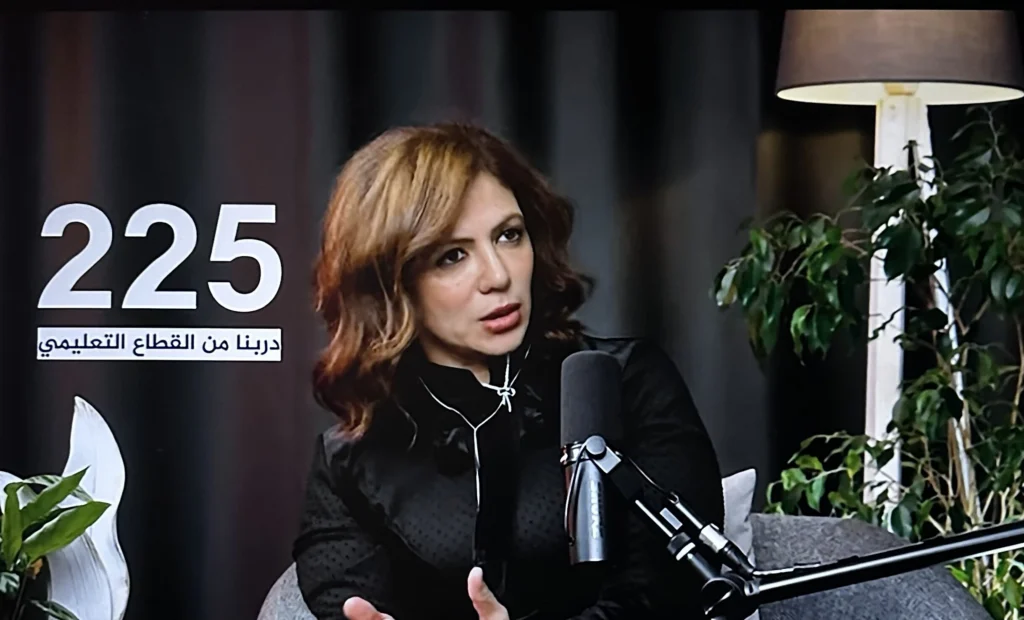
A Message from the Founder
Child protection is a responsibility… and field experience makes the difference
At ABA4Change, we believe child protection doesn’t start with knowing policies alone, but with the ability to understand risk, make the right decision, and support educational institutions in building safer practices for children.
This program draws on Dr. Mayada Elsabah’s experience in child psychology, behavior analysis, and child protection work within the Child Protection Unit of the United Nations Relief and Works Agency for Palestine Refugees (UNRWA), as well as her experience supporting schools and educational settings on child protection issues.
This experience is what we want to pass on in the program: not only what the policy says, but how to handle a real situation when a child’s safety is a concern
Dr. Mayada Elsabah
Child Psychology Specialist | Behavior Analyst | Experience in child protection and supporting educational settings
Founder of ABA4Change Academy
Experience that brings together child protection, child psychology, and work with schools
- PsyD
- QBA
- IBA
- BCCS
Trusted Testimonials
The confidence of trainees who took this program
“This training made a huge difference for me in understanding our responsibility, as people working in education, for protecting children. Child protection isn’t a secondary matter… it’s a core responsibility in any educational setting.”

Mohamed Essam Child Protection in School Settings
“I realized then that if someone had to act, it was me. Thankfully, I was then able to take the Child Protection in School Settings course. Thank you, ABA4Change, for the training, and thank you, Dr. Mayada, for your engaging and distinctive style.”

Manar Selim Child Protection in School Settings
Fees
Start your path in child protection in the educational setting
16 hours of live, applied training over 4 weeks, with case studies, applied assessments, and a final action plan.
The fees shown are for the next cohort, and flexible payment options are available.
Next cohort
Child Protection in School Settings Program
Child Safeguarding in Educational Settings
98$ 149$
- 16 hours of live, interactive training over 4 weeks
- Case studies and scenarios from the educational setting
- Hands-on practice in assessment, response, documentation, and reporting
- Materials, templates, and tools you can use in your workplace
- Final applied project: an action plan to improve child protection
- A 16-hour certificate of completion from ABA4Change Academy
Start with confidence — with a clear refund policy
Attend the first session, and if you find the program isn’t right for you, you can request a full refund within 24 hours of attending it, in line with our Refund Policy.
Frequently Asked Questions
Your questions, answered
How much time is needed each week?
Set aside about 5–6 hours a week for the program:
4 hours of live, interactive training, plus about 1–2 hours for applied activities, case studies, and gradual work on the final project.
The activities and project can be completed flexibly during the week to fit your schedule.
What if I miss a live session?
All sessions are recorded and uploaded within 24 hours; you can watch the recording and send your questions to the trainer for a response.
Is the program suitable for beginners?
Yes. The program starts from the basics, so you don’t need prior experience in child protection. At the same time, the sessions include case studies and applied scenarios that help experienced participants deepen their skills in risk assessment and professional decision-making
What happens after the four weeks end?
The program includes a final group session to review the applied project, discuss challenges and questions, and connect what you’ve learned to practice in the educational setting.
What is the refund policy?
You can request a full refund within 24 hours of attending the first session if you find the program isn’t right for you. After that period, fees are not refundable. Details are in our Refund Policy.
Are there payment or installment options?
Yes. You can pay in full or choose a two-installment plan: 50% at registration, and 50% before the second half of the program begins.
Start today toward a safer educational environment
Learn how to recognize risks, respond to concerns, and turn child protection principles into safer everyday practice.
Register for the Next Cohort Training for Your School or Organization
Training for Your School or Organization
Request a tailored program for your team
School team training
Scenarios from your institution’s reality
Safeguarding Risk Review
A project or action plan for the institution
A group review session
Content can be tailored to the school’s policy and local context