
Registration open · Start the recorded content whenever suits you, then join the live sessions according to the training schedule
Applied Behavior Analysis Technician Program | ABAT® | 40 Hours
Start your career in applied behavior analysis
A 40-hour professional training program designed to give you the core knowledge and skills to work as an applied behavior analysis technician under qualified professional supervision, with the option to choose the training-only path or the professional path that combines training, practice, and supervision.
Learn the concept. Apply it. Build your professional skills.
Flexible learning · Taught in Arabic · Professional terminology in English · Hands-on practice
Start the recorded content whenever suits you, and join the live sessions according to the training schedule
From $249 · One payment or two installments · Start the recorded content right away
Note: completing the 40-hour program fulfills the training requirement for the ABAT® pathway, but it does not award the credential automatically. The ABAT® credential is issued by QABA after reviewing all eligibility requirements, not by ABA4Change.

What does the program include?
- 32 hours of recorded content
- 8 hours of live, interactive sessions
- Examples and applied cases
- Downloadable training materials
- Short quizzes, a practice exam, and a final assessment
- Certificate of training completion from ABA4Change
A practical start
A practical start to your path in ABA
If you want to enter the field of applied behavior analysis (ABA) and work directly with children and individuals with autism spectrum disorder and developmental needs, the ABAT® pathway helps you build a structured professional foundation that combines knowledge, practice, and professional ethics.
During the program, you won’t just memorize terminology; you’ll practice understanding behavior, collecting data, applying teaching and behavior support procedures, and working within the limits of the technician’s role under appropriate supervision
Your training journey with ABA4Change: we designed the program around three stages so the 40 hours aren’t just recorded content, but a structured journey from knowledge to practice.
01
Learn
Understand the scientific foundations of behavior analysis and autism, and the concepts a technician needs in everyday practice
02
Train
Apply what you’ve learned through practical cases, videos, role-play, data collection exercises, and questions based on real situations
03
Apply
Turn knowledge into skill through hands-on practice, feedback, and professional supervision on the advanced path
Professional Definition
What is ABAT®?
ABAT® is an entry-level professional credential from QABA for practitioners who provide behavior analysis services directly under the supervision of a qualified specialist.
The technician implements behavioral programs, collects data, and supports skill acquisition, while designing plans and making clinical decisions remain the responsibility of the qualified supervisor.
Current requirements for the ABAT® pathway
According to QABA’s published requirements (September 2026):
- Applicants must be at least 18 years old.
- A high school diploma or equivalent, at minimum.
- Completion of 40 hours of approved, assessment-based training in applied behavior analysis.
- The training hours must include at least 3 hours of ethics and at least 5 hours of core autism knowledge.
- Training must be completed within 5 years of the application date, unless QABA specifies otherwise.
Additional requirements to complete the credential
Requirements the candidate completes with their supervisor and with QABA:
- Completion of 15 hours of fieldwork, currently 13.5 hours of practice + 1.5 hours of direct/documented supervision.
- A recommendation from a qualified supervisor
- Passing the ABAT exam
- Agreeing to the Code of Ethics and meeting the background check requirements.
Fieldwork can begin once you’ve enrolled in the qualifying program; you don’t have to wait until you’ve finished the full 40 hours before starting supervision
Training Content
What will you learn? — The 40-hour content
The program covers 8 connected training areas within the ABAT® educational pathway, including 5 hours of core knowledge of autism spectrum disorder and 3 hours of ethics and professional practice.
Study format: 32 hours of recorded content + 8 hours of live, interactive sessions.
01Autism Spectrum Disorder5 hours
- Understanding autism spectrum disorder and its core characteristics
- Early signs and risk indicators
- Communication and social interaction
- Restricted and repetitive behaviors and sensory differences
02Introduction to Applied Behavior Analysis10 hours
- Understanding behavior and the relationship between antecedent, behavior, and consequence
- Reinforcement (Reinforcement), punishment, and extinction (Extinction)
- Motivating operations and stimulus control
- Functions of behavior (Function of Behavior)
- Core principles of behavior analysis
03Data Collection and Measurement3 hours
- Operational definition of behavior (Operational Definition)
- Frequency, duration, and latency
- Interval recording
- ABC data
- Continuous and discontinuous measurement and reading basic data
04Positive Behavior Support10 hours
- Understanding why behavior occurs and its four functions
- Introduction to functional behavior assessment and intervention plans
- Antecedent strategies and reinforcement-based interventions
- Differential reinforcement (Differential Reinforcement)
- Prompting, fading, shaping, chaining, and generalization
05Evidence-Based Interventions4 hours
- Discrete trial training DTT
- Natural environment training NET
- Pivotal response training PRT
- Functional communication FCT
- Skill acquisition procedures and supporting independence
06Person-Centered Planning2 hours
- Meaningful goals and quality of life
- The individual’s right to choose
- Family involvement
- Independence and decision-making
07Culture, Values, and Advocacy3 hours
- Taking cultural background and family values into account
- Respecting individual differences
- Advocacy and collaboration with families and professionals
- Choosing socially significant interventions for the individual
08Ethics and Professional Practice3 hours
- The limits of the ABAT role and its responsibilities
- Professional boundaries and confidentiality
- Client dignity and rights, and informed consent
- Ethical decision-making
- Working under supervision and the QABA Code of Ethics
The skills you’ll build during the program
By the end of the training, you’ll have practiced how to:
- Define behavior in an observable, measurable way
- Choose and apply basic data collection methods
- Identify the function of behavior and understand its relationship to intervention
- Use reinforcement correctly and ethically
- Apply prompting, fading, shaping, and chaining
- Implement skill acquisition programs prepared by the supervisor
- Use DTT and NET within the limits of the plan
- Support functional communication
- Apply differential reinforcement procedures
- Read and implement a behavior intervention plan without changing it independently
- Protect the client’s dignity and rights
- Work within the limits of the technician’s role and know when to refer to the supervisor
Preparing for the ABAT Exam
Don’t just memorize terminology; turn what you’ve learned into practical understanding and application
Trainees practice:
- Understanding core concepts
- Analyzing applied situations
- Distinguishing between similar options
- Applying principles to real-life scenarios
- Handling exam-style questions
Don’t just memorize terminology; turn the concept into application.
Practice understanding situations, analyzing scenarios, and choosing the best answer in questions similar to the exam format.
Concept → Example → Application → Question
Preparation includes
- Gradual practice, from understanding the content to handling exam-style questions
- Questions linked to each unit
- Applied scenarios
- Short quizzes
- Practice exam
- Analysis of common mistakes
- Answer strategies and exam management
- Practice exam (Mock Exam)
- Review of common mistakes
- Strategies for handling exam questions
Note: the practice exams are prepared by ABA4Change for review and preparation, and they are not a substitute for the official ABAT® exam administered by QABA.
Choose the Path That Suits You
The same training foundation, with a level of support that fits your goal
We’ve designed two clear paths for you to choose from:
The same training foundation… with two levels of support
Choose between the training-only path and the professional path, which adds practice, fieldwork, and supervision
01
Path One – Hybrid Training
40 training hours | $249
Suited to those who want to complete the ABAT® educational requirements and build a strong foundation in behavior analysis, and who can arrange fieldwork and supervision independently through their employer or a qualified supervisor.
Right for you if:
- You have an employer or supervisor you can complete fieldwork with
- You want to start with the 40-hour program and arrange fieldwork, supervision, and the other credential requirements independently
- You have a background in education, psychology, or ABA and want a structured training path
- You’re looking for a more cost-flexible option
02
Path Two — The Professional Path
40 training hours + fieldwork and supervision | $350
A complete path for those who want structured support in moving from training to hands-on practice and completing the fieldwork requirements for the ABAT® pathway.
Includes everything in Path One (40 hours), plus:
- Organizing and following up on the 15-hour fieldwork pathway in line with current QABA requirements
- Support in completing 13.5 hours of hands-on practice
- 1.5 hours of documented professional supervision as part of the fieldwork requirements
- Hands-on skills training and performance review
- Case discussion and feedback on data collection and implementing procedures
- Support in documenting fieldwork hours and the required forms
- Preparation for the competency assessment (Pre-Certification Competency Assessment)
- Extended preparation for the ABAT® exam and guidance on the steps for applying to QABA.
A quick comparison of the two paths
| Feature | Hybrid Training | Professional Path |
|---|---|---|
| 40 training hours | ✓ | ✓ |
| Recorded content | ✓ | ✓ |
| Live sessions | ✓ | ✓ |
| Downloadable training materials | ✓ | ✓ |
| Applied cases | ✓ | ✓ |
| Short quizzes | ✓ | ✓ |
| Practice exam | ✓ | ✓ |
| Certificate of training completion | ✓ | ✓ |
| Support for the 15 fieldwork hours | — | ✓ |
| Supervision as part of the fieldwork requirements | — | ✓ |
| Hands-on skills review | — | ✓ |
| Case discussion | — | ✓ |
| Feedback on application | — | ✓ |
| Documentation and forms support | — | ✓ |
| Competency assessment preparation | — | ✓ |
| Career guidance | — | ✓ |
| Price | 249$ | 350$ |
Which path is right for me?
“I need the training, and I have my own way of completing the other requirements.”
→ Hybrid Training · $249
“I want support from training through to practice, fieldwork, and preparing to apply.”
→ Professional Path · $350
The program may not be right for you if:
- You expect to receive the ABAT® credential automatically as soon as you complete the 40 hours.
- You’re looking for independent practice without professional supervision — the technician role always works under the supervision of a qualified specialist.
- You don’t currently meet QABA’s core eligibility requirements (age 18 and a high school diploma or equivalent) and are seeking the credential directly.
The Roadmap to the ABAT® Credential
From training to credential in clear steps
01
Complete the training
40 hours of approved training.
→ This is the educational stage ABA4Change provides
02
Start fieldwork
Complete 15 hours of fieldwork according to the board’s requirements. Candidates should begin fieldwork after enrolling in the relevant program.
→ The Professional Path supports you at this stage
03
Complete verification and the recommendation
Verification of hours and the supervisor’s recommendation are completed.
04
Complete the QABA application
Upload the documents and requirements the board asks for.
05
Pass the exam
Prepare for and pass the ABAT exam.
06
Complete the credentialing procedures
After you pass, QABA completes the final review procedures, including the survey, agreement to the Code of Ethics, and renewal requirements, before issuing the credential.
Note: the ABAT® credential is awarded through QABA once all of the board’s requirements are met. ABA4Change’s fees do not include any application or exam fees paid directly to QABA.
Fieldwork & Supervision
15 hours of fieldwork before completing the credential
QABA currently requires 15 hours of fieldwork before completing the ABAT credential. According to the verification form published by the board, these hours include 13.5 hours of practice and 1.5 hours of supervision, for a total of 15 hours, documented using the board’s forms.
Examples of the skills you’ll practice
- Professional interaction with the client.
- Applying reinforcement procedures correctly.
- Using prompting and gradual fading.
- Collecting and documenting data.
- Implementing skill acquisition programs under supervision.
- Applying the behavior support procedures set by the supervisor.
- Professional communication with team members.
- Adhering to ethics and the limits of the professional role.
- Recognizing situations that require referring to the supervisor rather than making an independent decision.
Who can supervise?
According to QABA, qualified supervisors include QBA and QASP-S credential holders, as well as credentialed behavior analysts or assistant behavior analysts from recognized credentialing bodies, once they meet the supervisory training requirements set by the board.
Do the 15 hours mean 15 hours of direct supervision? No. Under QABA’s current form, they consist of 13.5 hours of practice and 1.5 hours of supervision.
Language
Learn in Arabic and use the professional language of the field
Concepts are explained in Arabic, while keeping the core English terminology used in references, exams, and professional practice.
| Term in Arabic | Professional term |
|---|---|
| التعزيز | Reinforcement |
| وظيفة السلوك | Function of Behavior |
| التلقين | Prompting |
| التلاشي التدريجي للتلقين | Prompt Fading |
| التعريف الإجرائي | Operational Definition |
| التعزيز التفاضلي | Differential Reinforcement |
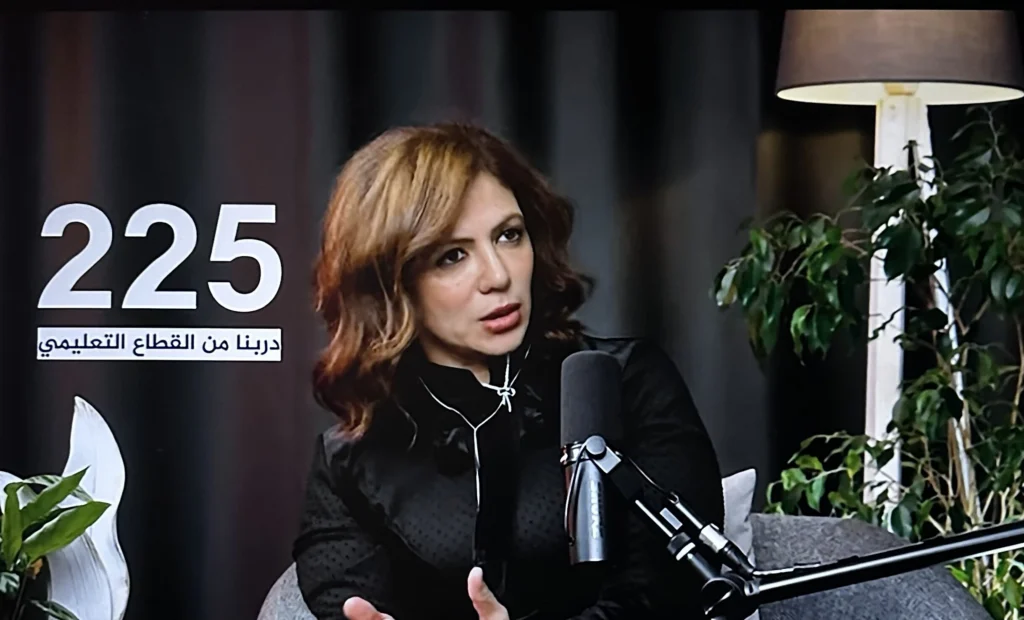
Trainer
Dr. Mayada Elsabah
A specialist in child psychology and applied behavior analysis, with experience in training professionals, professional supervision, and working with children and families in a range of educational and community settings.
Founder & CEO – ABA4Change Academy
PsyD in Child Psychology
- PsyD
- QBA
- IBA
- BCCS
My message to you:
My goal in this program isn’t just for you to memorize concepts, but for you to understand how to apply them correctly in practical situations, and to build your skills step by step so you can work with confidence and responsibility under appropriate professional supervision.
Why ABA4Change?
Our goal isn’t just for you to complete the hours, but for you to leave the program with deeper understanding and real skills you can use in everyday practice
- Evidence-based training.
- Hands-on practice and real cases.
- Ethical practice and client rights.
- Training in Arabic, keeping the professional English terminology.
- Supervision and feedback on the Professional Path.
- Preparation for your next professional steps, not just a certificate of attendance.
Beyond ABAT
The starting point for a broader career in applied behavior analysis
ABAT® helps you build a strong professional foundation in direct practice. With experience and further education, you can later move on to more advanced levels in applied behavior analysis.
The ABA4Change team helps you understand the requirements of each stage and choose the path that fits your qualifications, experience, and professional goals.
01
ABAT®
The start: the entry level, working as a technician under supervision.
03
QBA
Advanced education + supervision.
Fees
Start your ABAT® journey — from the first concept you learn to the first skill you apply
ABAT® Hybrid Training
$249 and the remaining $124.50 after 30 days
Complete the training and build your professional foundation.
- 40 training hours: 32 hours of recorded content + 8 hours of live sessions
- Taught in Arabic with professional English terminology
- Applied cases and downloadable materials
- Short quizzes, a practice exam, and a final assessment
- Certificate of training completion from ABA4Change
Most comprehensive · From training to practice
ABAT® Professional Path
$350 and the remaining $175 after 30 days
From training to practice and supervision.
- Everything in Hybrid Training
- Support for the 15-hour fieldwork pathway
- Supervision sessions as part of the fieldwork requirements
- Hands-on skills review and case discussion
- Support with documentation and the required forms
- Competency assessment preparation and extended ABAT exam preparation
What the fees don’t include: application or exam fees, or any fees paid directly to QABA, which are set by QABA according to its policies in force at the time of application. Completing the ABA4Change program does not guarantee obtaining the credential.
We accept online payment





A full refund is available within 24 hours of attending the first session if you find the program isn’t right for you, in line with our Refund Policy. All purchases are subject to the Terms & Conditions. All payments are processed securely through Amazon Payment Services.
Frequently Asked Questions
Your questions, answered
Does completing the 40 hours make me an ABAT?
No. The training is one of the credential requirements. You must also meet QABA’s other requirements, including fieldwork, the recommendation, the background check, and the exam.
What’s the real difference between the two paths?
Path One focuses on the 40 hours, the content, and exam preparation; the Professional Path adds support for fieldwork, supervision, practice, documentation, and competency preparation.
Is the program suitable for beginners?
Yes. The program is designed as a structured professional start, beginning with core concepts in behavior analysis and autism, then moving gradually to hands-on practice, data collection, and implementing procedures under supervision.
Show all questions (12 questions)
Do I need a university degree?
The current core requirement is a high school diploma or equivalent, along with the other eligibility requirements.
Can I study while working or at university?
Yes. The hybrid training format gives you flexibility to study the recorded content and join the live sessions according to the training schedule.
Is the program in Arabic?
Yes. It’s taught in Arabic, using professional English terminology so trainees are prepared for references, the exam, and practice.
Do the 15 hours mean 15 hours of direct supervision?
No. Under QABA’s current form, the 15 hours consist of 13.5 hours of practice and 1.5 hours of supervision, with the required documentation and verification.
Is supervision part of the 40 hours?
No. The 40 hours are coursework, while fieldwork and supervision are a separate requirement.
Who awards the ABAT credential?
QABA is the body that awards the ABAT credential once the requirements are met. ABA4Change provides training, support, and supervision according to the chosen path.
Can I buy the training only and complete supervision elsewhere?
Yes, and that’s why Path One was designed for trainees who have a supervisor or employer they can complete the requirements with.
Are QABA fees included in the price?
No. The listed price covers only ABA4Change’s training and the services described in the chosen path. Application and exam fees and any other fees for the ABAT® credential are paid directly to QABA according to its fees and policies in force at the time of application.
Are there installment payment options?
Yes. You can pay once or in two installments: 50% at registration and the remaining 50% after 30 days, which you choose with the “Two installments” button in the Fees section.
Start Your ABAT® Journey
From the first concept you learn to the first skill you apply. Choose the path that fits your goal.
ABAT® and QABA® are marks and/or credentials associated with the Qualified Applied Behavior Analysis Credentialing Board. Completing the ABA4Change program does not guarantee obtaining the credential. Applicants must meet all QABA requirements in force at the time of application. We recommend reviewing QABA’s official website before enrolling and applying, as requirements may be updated.
Official references (September 2026): ABAT® Certification Requirements & Procedures · ABAT Candidate Handbook 2026 · Pre-Certification ABAT Applicant Fieldwork Verification Form · ABAT Supervision Requirements · ABAT Forms